Blog

Feeling Stressed All the Time? Your Cortisol Levels May Be High
Stress has become a normal part of modern life. From hectic work schedules and poor sleep to unhealthy eating habits and excessive screen time, our bodies are constantly under pressure. While occasional stress is natural, chronic stress can silently damage your health—and one of the biggest reasons behind this is high cortisol levels.
Cortisol is commonly known as the stress hormone because your body releases it during stressful situations. In small amounts, cortisol is important for survival. It helps regulate metabolism, blood pressure, energy levels, inflammation, and sleep cycles. However, when cortisol remains high for a long time, it may lead to several physical and mental health problems.
If you often feel tired, anxious, irritable, gain weight easily, or struggle with poor sleep, your body may be showing high cortisol symptoms. Understanding the warning signs early and taking the right steps can help protect your overall health.
What Is Cortisol?
Cortisol is a hormone produced by the adrenal glands, located above your kidneys. It plays an essential role in the body's “fight or flight” response. Whenever you face stress—whether physical or emotional—your body releases cortisol to help you react quickly.
Cortisol helps:
- Control blood sugar levels
- Manage stress response
- Reduce inflammation
- Regulate blood pressure
- Support metabolism
- Maintain energy balance
Although cortisol is necessary, constantly elevated levels can negatively affect your body over time.
What Causes High Cortisol Levels?
Several lifestyle and medical factors can increase cortisol production.
Common Causes of High Cortisol
- Chronic stress
- Poor sleep quality
- Anxiety and depression
- Excessive caffeine intake
- Over-exercising
- Unhealthy diet
- Obesity
- Certain medications like steroids
- Adrenal gland disorders
Modern lifestyles are one of the biggest reasons behind increasing stress hormone symptoms in young adults and working professionals.
High Cortisol Symptoms You Should Never Ignore
Many people experience cortisol imbalance without realizing it. The symptoms often develop slowly and can affect multiple parts of the body.
Common High Cortisol Symptoms
1. Constant Fatigue
Feeling tired all the time—even after sleeping well—can be a major sign of cortisol imbalance. High cortisol disrupts energy production and affects sleep quality.
2. Weight Gain Around the Belly
One of the most common high cortisol symptoms is increased belly fat. Stress hormones can increase cravings for sugary and unhealthy foods.
3. Difficulty Sleeping
High cortisol levels at night can make it difficult to fall asleep or stay asleep. Poor sleep then increases cortisol further, creating a harmful cycle.
4. Anxiety and Mood Swings
Excess cortisol affects brain chemicals responsible for mood regulation. This may cause:
- Irritability
- Anxiety
- Restlessness
- Mood changes
5. Frequent Headaches
Stress-related hormonal imbalance may increase tension headaches and migraines.
6. Muscle Weakness
Long-term cortisol imbalance can break down muscle tissue, causing weakness and fatigue.
7. Increased Blood Pressure
Chronic stress hormones can narrow blood vessels and increase blood pressure levels.
8. Weak Immunity
High cortisol suppresses immune function, making you more vulnerable to infections and illnesses.
9. Brain Fog and Poor Concentration
Difficulty focusing, forgetfulness, and mental fatigue are common signs of excessive stress hormone levels.
10. Sugar Cravings
Many people with cortisol imbalance experience intense cravings for sweets and junk food.
Stress Hormone Symptoms in Women
Women may experience additional hormonal symptoms due to elevated cortisol levels.
Symptoms of High Cortisol in Women
- Irregular periods
- Hair fall
- Acne breakouts
- Low energy
- Mood swings
- Weight gain
- Poor sleep
Hormonal imbalance caused by stress can also affect fertility and reproductive health.
Stress Hormone Symptoms in Men
Men may notice:
- Reduced testosterone levels
- Low motivation
- Reduced muscle mass
- Fatigue
- Increased belly fat
- Mood changes
Long-term stress can significantly affect overall health and productivity.
How High Cortisol Affects Your Body
Ignoring cortisol imbalance symptoms for a long time may increase the risk of serious health problems.
Health Risks of Chronic High Cortisol
Heart Problems
High cortisol may increase blood pressure and cholesterol levels, increasing the risk of heart disease.
Diabetes Risk
Elevated stress hormones can raise blood sugar levels and increase insulin resistance.
Obesity
Cortisol promotes fat storage, especially around the abdomen.
Mental Health Disorders
Long-term stress can contribute to anxiety disorders, depression, and emotional burnout.
Digestive Problems
Stress hormones may affect digestion and gut health, leading to bloating and acidity.
Weak Bones and Muscles
High cortisol can weaken bones and muscles over time.
When Should You Get a Cortisol Test?
If you experience multiple symptoms continuously, it may be time to consider a cortisol test.
A cortisol test helps evaluate whether your stress hormone levels are normal or elevated.
Doctors may recommend testing if you have:
- Extreme fatigue
- Chronic stress
- Sudden weight gain
- Sleep issues
- Anxiety
- High blood pressure
- Hormonal imbalance symptoms
Types of Cortisol Tests
There are different ways to measure cortisol levels.
Blood Cortisol Test
A blood sample is taken to measure cortisol levels in your bloodstream.
Saliva Cortisol Test
This test measures cortisol levels through saliva samples collected at different times of the day.
Urine Cortisol Test
A 24-hour urine test helps analyze cortisol production over an entire day.
A healthcare professional may suggest the best option based on your symptoms.
Normal Cortisol Levels
Cortisol levels naturally change throughout the day. They are usually:
- Highest in the morning
- Lowest at night
Abnormal levels may indicate stress-related hormonal imbalance or other medical conditions.
How to Reduce Cortisol Naturally
The good news is that healthy lifestyle changes can help lower stress hormone levels naturally.
Best Ways to Reduce Cortisol
1. Improve Sleep Quality
Poor sleep is one of the biggest reasons for elevated cortisol.
Tips for Better Sleep
- Sleep for 7–8 hours daily
- Avoid screens before bed
- Maintain a consistent sleep schedule
- Reduce caffeine intake at night
2. Exercise Regularly
Moderate physical activity helps manage stress effectively.
Best exercises include:
- Walking
- Yoga
- Cycling
- Stretching
- Light strength training
Avoid excessive workouts because overtraining may increase cortisol.
3. Manage Stress Properly
Relaxation techniques can significantly reduce cortisol production.
Stress Management Techniques
- Meditation
- Deep breathing
- Journaling
- Listening to music
- Spending time outdoors
4. Eat a Healthy Diet
A balanced diet supports hormone balance.
Foods That May Help Lower Cortisol
- Fruits and vegetables
- Nuts and seeds
- Whole grains
- Fatty fish
- Dark chocolate (in moderation)
Avoid:
- Processed foods
- Excess sugar
- Excess caffeine
- Alcohol
5. Stay Hydrated
Dehydration can increase stress hormone levels. Drink enough water throughout the day.
6. Reduce Screen Time
Too much screen exposure and social media stress may affect mental health and sleep.
7. Build a Healthy Routine
A balanced lifestyle with proper rest and physical activity supports hormonal health.
Can High Cortisol Be Dangerous?
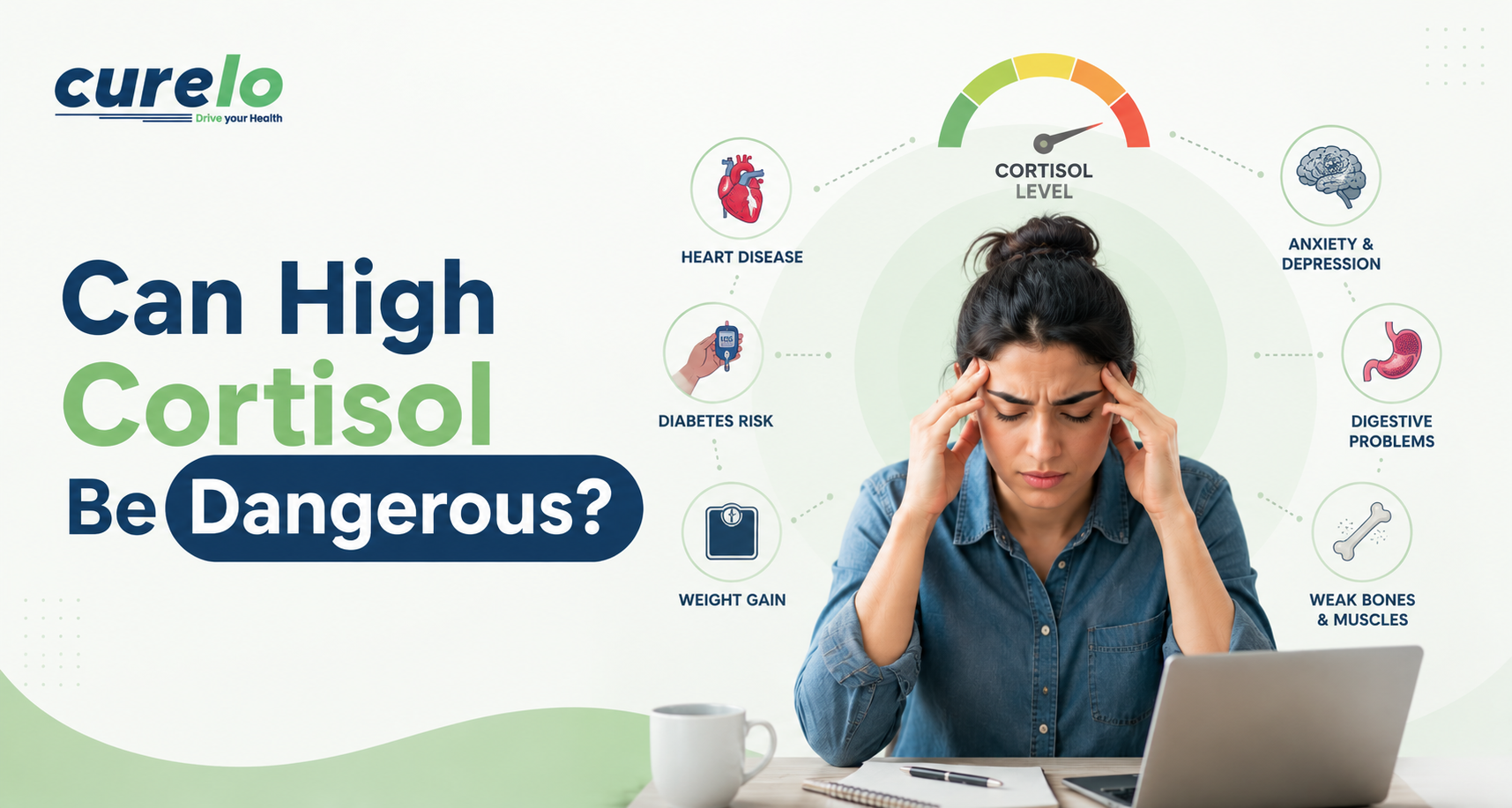
Yes, chronic high cortisol can affect almost every organ system in the body. If left unmanaged, it may increase the risk of:
- Heart disease
- Obesity
- Diabetes
- Depression
- Hormonal disorders
- Digestive problems
Early detection and proper lifestyle changes can help prevent long-term complications.
Best Health Tests for Stress and Fatigue
If you constantly feel exhausted or stressed, doctors may recommend additional tests along with a cortisol test.
Common Diagnostic Tests
- Complete Blood Count (CBC)
- Thyroid Profile
- Vitamin D Test
- Vitamin B12 Test
- Blood Sugar Test
- Lipid Profile
- Liver Function Test
These tests help identify hidden deficiencies or health conditions contributing to fatigue and stress.
Lifestyle Habits That Increase Cortisol Levels
Modern daily habits silently increase stress hormones without people realizing it.
Common Habits That Raise Cortisol
- Sleeping late regularly
- Skipping meals
- Excessive caffeine consumption
- Working long hours without breaks
- Lack of physical activity
- Constant phone usage
- Poor work-life balance
Making small lifestyle improvements can create a major difference in stress management.
Signs Your Body Needs Immediate Attention
Seek medical advice if you experience:
- Severe anxiety
- Unexplained weight gain
- Persistent fatigue
- High blood pressure
- Difficulty sleeping
- Extreme mood swings
- Muscle weakness
Ignoring symptoms may worsen hormonal imbalance over time.
Final Thoughts
Stress has become unavoidable in today’s fast-moving world, but chronic stress should never be ignored. High cortisol levels can silently affect your sleep, metabolism, mental health, energy, and overall well-being.
Understanding the early high cortisol symptoms and taking proactive steps can help protect your health before serious complications develop. Simple lifestyle changes like better sleep, stress management, healthy eating, and regular exercise can naturally improve hormone balance.
If you frequently experience fatigue, anxiety, poor sleep, or unexplained weight gain, consulting a healthcare professional and getting a cortisol test may help identify the root cause early.
Your body constantly sends signals when something is wrong. Listening to those warning signs today can help you build a healthier and stress-free future.
Frequently Asked Questions
1. What are the most common high cortisol symptoms?
Common high cortisol symptoms include fatigue, weight gain, poor sleep, anxiety, headaches, mood swings, high blood pressure, and sugar cravings.
2. What is cortisol?
Cortisol is a stress hormone produced by the adrenal glands. It helps regulate stress response, metabolism, blood pressure, energy levels, and inflammation.
3. How do I know if my cortisol levels are high?
If you constantly feel stressed, tired, anxious, gain belly fat, or struggle with sleep, you may have elevated cortisol levels. A cortisol test can help confirm it.
4. What causes high cortisol levels?
Common causes include chronic stress, poor sleep, unhealthy diet, anxiety, over-exercising, obesity, excessive caffeine intake, and certain medications.
5. What is a cortisol test?
A cortisol test measures the level of cortisol hormone in your body through blood, saliva, or urine samples to check for hormonal imbalance.
6. Can stress increase cortisol levels?
Yes, long-term stress is one of the biggest reasons for high cortisol levels and stress hormone imbalance.
Need Help In Booking a Lab Test?
Share Your Details, We Will Call You Right Back!


